Lucknow: In Uttar Pradesh politics, seemingly small developments often signal larger political undercurrents. A recent social gathering held during the winter session of the Assembly in Lucknow is being viewed through a similar lens, as it has triggered fresh debate over caste dynamics within the ruling Bharatiya Janata Party (BJP).
On the evening of December 22, a community feast was hosted at the official residence of Kushinagar BJP MLA Panchanand Pathak. Though described by the organisers as a private and cultural gathering, the timing, participation, and scale of the event have drawn significant political attention. Around 35 to 40 MLAs and Members of the Legislative Council (MLCs) attended the gathering, the majority of them belonging to the BJP, along with a few Brahmin representatives from other parties.

Prominent attendees included Ratnakar Mishra (Mirzapur), Dr Shalabh Mani Tripathi (Deoria), Prakash Dwivedi (Banda), Prem Narayan Pandey (Tarabganj), Ramesh Mishra (Badlapur), Vinay Dwivedi (Mahanau), and MLC Saket Mishra, making the meeting politically noteworthy. Traditional dishes such as litti-chokha and fasting-friendly food were served, which organisers linked to cultural traditions.
At present, the UP Assembly has 52 Brahmin MLAs, of whom 46 belong to the BJP, underlining the community’s strong influence within the ruling party. However, recent months have seen growing discussion within political circles about a perceived shift in organisational and governmental balance. The appointment of a leader from the Kurmi community as state BJP president has strengthened the perception among some that Brahmin leadership is receiving reduced prominence.
Historically, the Brahmin community has played a central role in Uttar Pradesh politics. Although Mandal-era politics altered power equations in the 1990s by strengthening OBC and Dalit representation, Brahmins continued to retain significant political influence. Despite comprising an estimated 8–10 per cent of the population, their electoral impact has remained substantial.
Electoral data highlights this influence. In the 2017 Assembly elections, around 83 per cent of Brahmin voters supported the BJP, a figure that reportedly rose to nearly 89 per cent in the 2022 elections. More than 100 Assembly constituencies in the state are considered Brahmin-influenced seats, with districts such as Varanasi, Prayagraj, Kanpur, Jaunpur, Gorakhpur, Deoria, Basti, Maharajganj, Chandauli, Amethi, and Balrampur having Brahmin populations exceeding 15 per cent.

While sources say no overt political strategy was discussed at the meeting, concerns related to issues faced by the Brahmin community were reportedly raised. Participants spoke about recent incidents across the state where the community felt neglected or wronged and emphasised the need for collective responses and support to affected families. Discussions were also held on creating a structured support system for economically weaker sections within the community, involving professionals such as lawyers, doctors, retired officials, and other influential members.
The ruling establishment has responded cautiously. Deputy Chief Minister Keshav Prasad Maurya said that meetings among legislators during Assembly sessions are routine and should not be viewed through a caste lens. He maintained that legislators often meet socially and politically, and such interactions should not be misinterpreted.
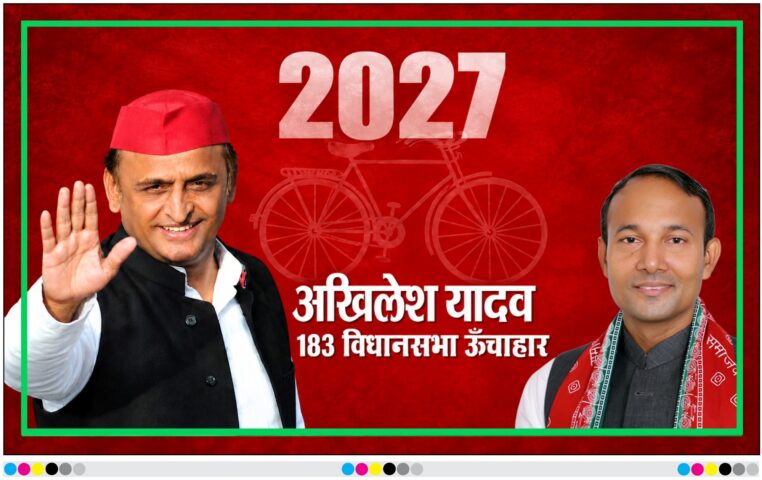
The opposition, while calling it an internal BJP matter, did not miss the opportunity to take a swipe. Leaders from the Samajwadi Party suggested that such gatherings indicate underlying dissatisfaction within the ruling party, with some interpreting it as early signs of anxiety ahead of the 2027 Assembly elections.
Political analysts believe that while the gathering does not signal any immediate upheaval, it reflects the re-emergence of caste balance as a key issue. In recent months, separate programmes linked to the Thakur and Kurmi communities have also drawn attention. Against this backdrop, the mobilisation of Brahmin legislators suggests that different social groups within the power structure are becoming increasingly conscious of their political roles and representation.
Though the 2027 Assembly elections may still be some time away, political preparations in Uttar Pradesh often begin early. The Lucknow gathering is being seen as part of this initial churn. For the BJP, the challenge will be to maintain equilibrium among its strongest support bases, while for the opposition, any sign of discontent presents an opportunity. The dinner may have ended, but the political debate it sparked continues to simmer in the state’s corridors of power.











 https://www.youtube.com/watch?si=RtToJsBhYBatUrym&v=mOuYNSdhjHA&feature=youtu.be